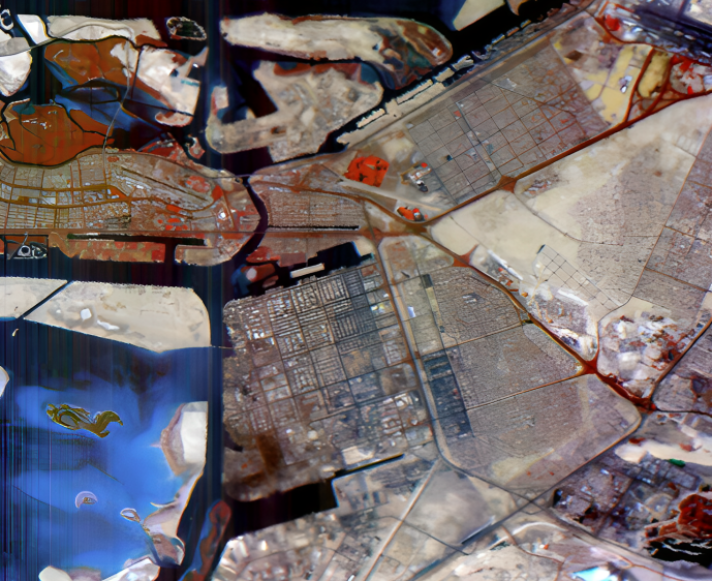
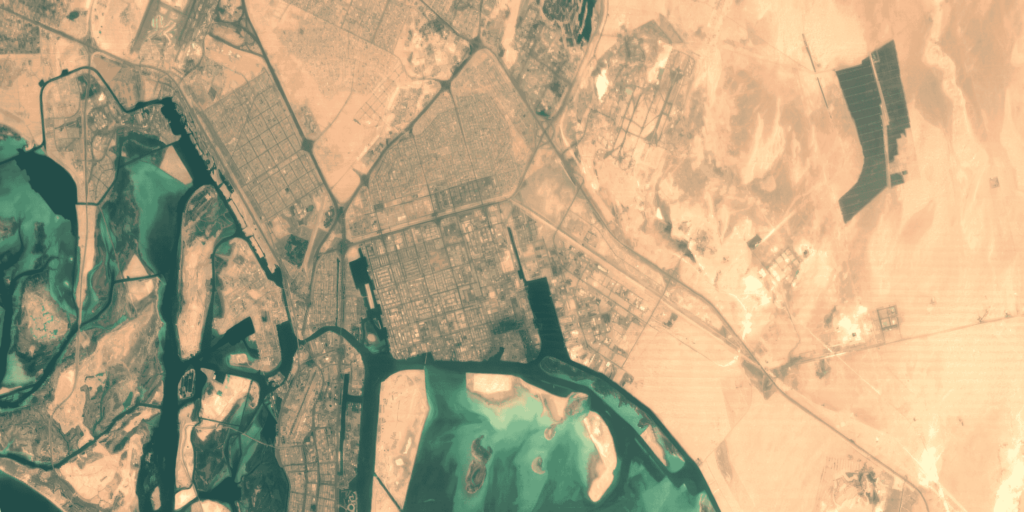
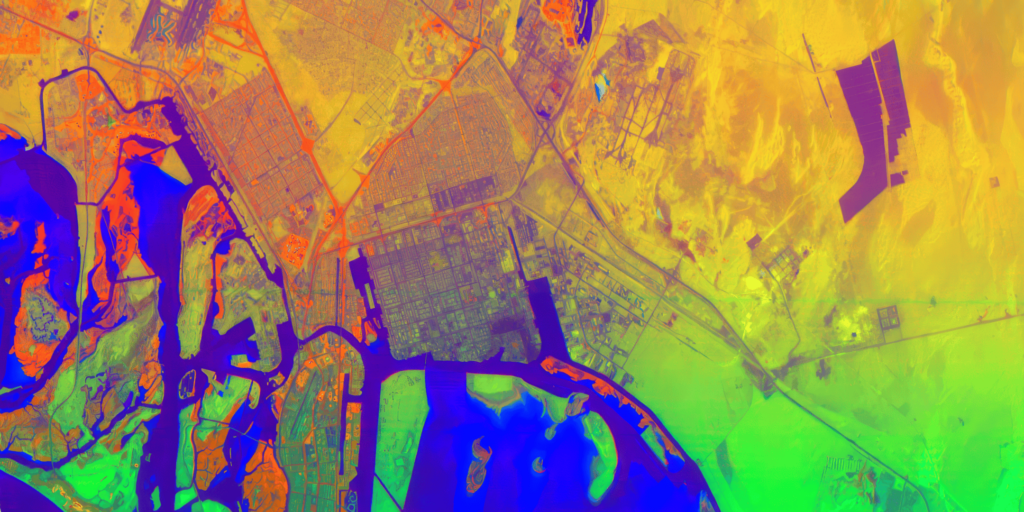
GOVERNMENT
Precision solutions for
Resource Management
and Disaster Response
with Pixxel’s
hyperspectral IMAGERY
Leverage Pixxel’s high-fidelity hyperspectral data to optimise resource efficiency, support sustainable initiatives, and improve disaster response outcomes.
DAILY GLOBAL ACCESS
24-hour revisit frequency
anywhere on the planet
HIGH SPECTRAL RESOLUTION
5 metre spatial resolution, 250+
VNIR and SWIR bands
UNPRECEDENTED DETAIL
50X more information than
conventional satellites
WIDER COVERAGE
Maximise coverage with our
40Km swath width
Pixxel’s hyperspectral imaging technology equips civil agencies with the tools they need to monitor environmental changes, oversee infrastructure projects, and coordinate disaster relief efforts with greater precision.
By delivering actionable insights through advanced spectral data, Pixxel empowers governments, researchers and civil bodies to allocate resources efficiently, plan for sustainable development, and respond to critical situations in time and with confidence.
OVERCOMING CRITICAL CHALLENGES in
CIVIL GOVERNMENT RESOURCE MANAGEMENT
OVERCOMING CRITICAL CHALLENGES in CIVIL GOVERNMENT RESOURCE MANAGEMENT
Government agencies are under increasing pressure to manage natural resources, infrastructure, and public services more effectively, often relying on
outdated systems and incomplete data. This lack of detailed insights limits effective decision-making and operational efficiency, increasing risks
across the public sector. To overcome these challenges, adopting advanced technologies and data-driven solutions is crucial.
Inefficient Resource
Allocation
Limited access to precise environmental data makes it difficult for governments to optimise the use of water, land, and energy, resulting in resource waste and decreased productivity.
Environmental Degradation
and Climate Resilience
Without advanced technology, implementing sustainable practices and developing strategies to mitigate the impact of extreme weather events becomes a significant challenge.
Unmonitored Infrastructure
and Resources
Insufficient oversight of public infrastructure and natural resources leads to inefficiencies, lack of transparency, and unmanaged degradation, weakening public service delivery.
Delayed Response
to Disasters
The absence of real-time data hinders timely disaster response efforts, amplifying damage and prolonging recovery times.
Discover THE
hyperspectral ADVANTAGE
Hyperspectral imaging offers unparalleled precision by capturing detailed spectral data, allowing for accurate identification and analysis of materials in both urban and natural environments. By measuring a broader range of wavelengths than traditional methods, it reveals vital information about the composition and condition of surfaces, surpassing the limitations of standard imaging technologies.
For civil governments, this technology strengthens the ability to oversee infrastructure, manage resources, and monitor environmental shifts. It provides a powerful tool for disaster response, urban development, and efficient resource management, enabling more informed and proactive decision-making.

A line of text shall appear here. A line of text shall appear here.
Localised issue detection and strategic resource management
Pixxel’s hyperspectral satellites capture data across 250+ spectral bands, offering governments unprecedented insights into land use and environmental conditions.
This allows for the precise detection of localised issues like chemical spills or ecosystem stress, enabling strategic resource management. By providing granular details on regional patterns, decision-makers can develop sustainable strategies for resource use, improve urban planning, and respond swiftly to environmental challenges.
Accurate monitoring of infrastructure and environmental health
With its 5-meter spatial resolution, Pixxel’s hyperspectral technology delivers highly detailed data, allowing governments to monitor infrastructure and environmental health with precision.
Whether tracking the condition of roads, railways, or inland waterways, this technology enables early detection of potential issues. Continuous monitoring helps reduce maintenance costs, improve resource allocation, and ensure the longevity of critical public infrastructure.
Proactive disaster detection and rapid response
Pixxel’s satellites offer a daily revisit frequency, which is essential for early detection of environmental threats and disaster risks.
This technology allows civil authorities to monitor subtle signs of environmental stress such as land degradation, or weather-related changes—well before visible symptoms appear. With near real-time access to hyperspectral data, governments can implement timely interventions, minimising the impact of disasters and improving the effectiveness of relief efforts.
Precision in infrastructure management and urban planning
Pixxel's hyperspectral technology offers 50X more information than conventional satellites, delivering unparalleled accuracy in resource identification and infrastructure management.
This precision optimises resource allocation, enhances public safety, and supports sustainable management practices. With detailed insights, governments can improve environmental and urban planning, efficiently manage resources, and implement resilient infrastructure strategies. Real-time monitoring empowers decision-makers to safeguard public assets, reduce risks, and ensure long-term sustainability in both urban and natural environments.

Localised issue detection and strategic resource management
Pixxel’s hyperspectral satellites capture data across 250+ spectral bands, offering governments unprecedented insights into land use and environmental conditions.
This allows for the precise detection of localised issues like chemical spills or ecosystem stress, enabling strategic resource management. By providing granular details on regional patterns, decision-makers can develop sustainable strategies for resource use, improve urban planning, and respond swiftly to environmental challenges.
Accurate monitoring of infrastructure and environmental health
With its 5-meter spatial resolution, Pixxel’s hyperspectral technology delivers highly detailed data, allowing governments to monitor infrastructure and environmental health with precision.
Whether tracking the condition of roads, railways, or inland waterways, this technology enables early detection of potential issues. Continuous monitoring helps reduce maintenance costs, improve resource allocation, and ensure the longevity of critical public infrastructure.
Proactive disaster detection and rapid response
Pixxel’s satellites offer a daily revisit frequency, which is essential for early detection of environmental threats and disaster risks.
This technology allows civil authorities to monitor subtle signs of environmental stress such as land degradation, or weather-related changes—well before visible symptoms appear. With near real-time access to hyperspectral data, governments can implement timely interventions, minimising the impact of disasters and improving the effectiveness of relief efforts.
Precision in infrastructure management and urban planning
Pixxel’s hyperspectral technology offers 50X more information than conventional satellites, delivering unparalleled accuracy in resource identification and infrastructure management.
This precision optimises resource allocation, enhances public safety, and supports sustainable management practices. With detailed insights, governments can improve environmental and urban planning, efficiently manage resources, and implement resilient infrastructure strategies. Real-time monitoring empowers decision-makers to safeguard public assets, reduce risks, and ensure long-term sustainability in both urban and natural environments.

A TWO-LINE HEADLINE
APPEARS HERE
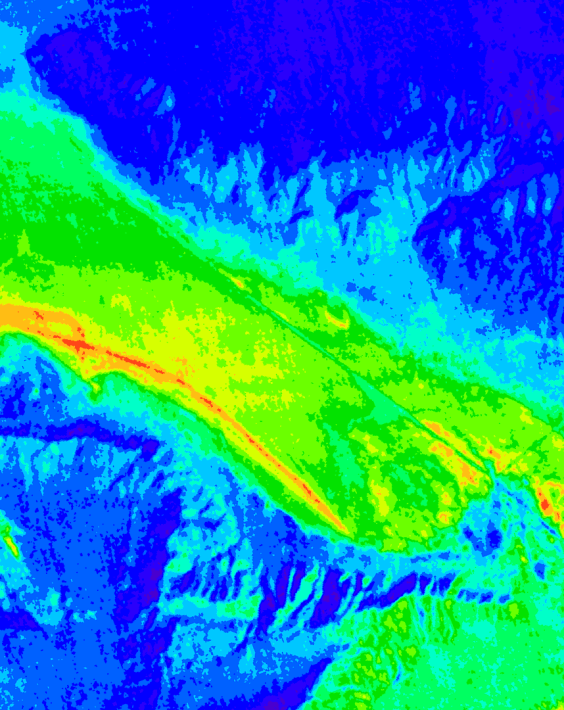
Pixxel’s hyperspectral imagery offers a powerful tool for monitoring forest health in Colorado’s Rocky Mountain National Park, where bark beetle infestations threaten large tracts of forest. With hyperspectral imaging, organisations can identify early signs of tree stress and support sustainable management.
- Detects subtle variations in forest health before visible damage appears
- Precisely maps tree species and tracks beetle infestations
- Enables timely intervention to mitigate the spread of pests
Discover how hyperspectral imaging is protecting forest ecosystems.
Unlock Data-Driven Solutions for
Public Sector Challenges with Pixxel
Discover how Pixxel’s hyperspectral imaging technology can empower governments to manage resources efficiently, enhance infrastructure oversight, and respond proactively to environmental and disaster challenges. Take the first step towards more informed and effective decision-making.
KNOWLEDGE HUB
Discover how Pixxel's Earth Observation technology drives impactful insights.
Birmingham, United Kingdom, Los Angeles, California, and Bengaluru, India, 12 February 2025:

London, United Kingdom; Los Angeles, California; and Bengaluru, India, 6th February 2025
Delaware, Ohio, Los Angeles, California, and Bengaluru, India – Pixxel, a leading

We're thrilled to share some significant developments that will take our capabilities