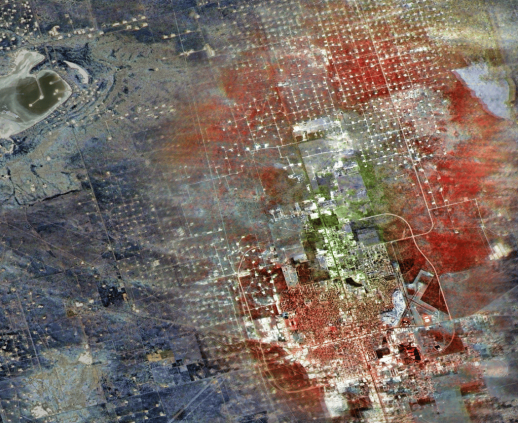


energy

EFFICIENT ENERGY

EXPLORATION WITH
ACCURATE hyperspectral SITE DATA FROM PIXXEL

Benefit from Pixxel’s analysis-ready hyperspectral imagery for efficient resource exploration, infrastructure monitoring, and sustainable energy generation.

I1 banner image (1)

DAILY GLOBAL ACCESS

24-hour revisit frequency
anywhere on the planet

HIGH SPECTRAL RESOLUTION

5 metre spatial resolution, 250+
VNIR and SWIR bands

UNPRECEDENTED DETAIL

50X more information than
conventional satellites

WIDER COVERAGE

Maximise coverage with our
40Km swath width

With comprehensive spectral data at unprecedented resolutions from Pixxel’s hyperspectral imaging satellites, valuable insights for resource exploration, pipeline monitoring, and environmental impact assessment are readily accessible.

Oil and gas companies and researchers can leverage Pixxel’s actionable data to make strategic decisions for energy management, enhancing efficiency and precision in energy practices.

ADDRESSING CHALLENGES

IN ENERGY MANAGEMENT

The oil and gas sector faces numerous challenges due to traditional extraction techniques and insufficient technological integration. These challenges
hamper natural resource management and impact environmental responsibility. To tackle these issues and improve resource allocation, embracing
cutting-edge technologies and data-focused approaches is crucial.

Operational
and Resource Efficiency

Inefficient drilling and extraction and poor reserve estimation increases costs and wastes resources, leading to flawed investment decisions.

Safety and
Risk Management

Accidents and equipment failures compromise worker safety and disrupt operations, increasing operational costs.

Environmental
Risks

Ineffective environmental monitoring risks regulatory non- compliance, potentially resulting in higher emissions and fines.

Competitive and
Logistical Challenges

Falling behind competitors in decision-making and operational efficiency, along with disruptions in supply chain management, results in lost profitability.

Discover THE

hyperspectral ADVANTAGE

With high resolution data captured across narrow wavelength bands, hyperspectral imaging enables precise characterisation of different surface materials. This offers much more detailed information about the physical and chemical properties of landscapes as compared to traditional multispectral imaging.

Hyperspectral imaging analyses unique spectral signatures to help identify hydrocarbon reserves, monitor emissions, and ensure safe and reliable transportation of products. This technology transforms operations in the oil and gas industry by enhancing efficiency and safety, ultimately driving innovation and sustainability.

A line of text shall appear here. A line of text shall appear here.

Precise identification of threats and optimised solutions

Pixxel’s imaging satellites excel in capturing information across 250+ spectral bands, offering diverse solutions for various operational stages within the oil and gas industry.

Hyperspectral imagery empowers decision-makers by helping identify valuable resources and assessing feasibility at potential exploration sites. Additionally, it facilitates ongoing monitoring on a large scale, enabling the early detection of threats to the site and the surrounding natural environment.

Targeted vegetative analysis and leakage detection

Hyperspectral imaging delivers exceptional results in vegetative studies with 50X more information, securing the industry's future success.

This technology enables targeted approaches to implementing environmentally compliant and conscious mechanisms and solving for biodiversity preservation, vegetative health monitoring, and leakage detection.

Data-driven practices for enhanced oil and gas operations

Pixxel’s hyperspectral imaging technology has 5m spatial resolution, which helps detects threats precisely and supporting data-driven, sustainable practices in the future.

Detailed habitat maps near exploration sites can reduce costs, optimise resource usage, and enhance environmental compliance. By promoting ecosystem regeneration, Pixxel’s technology fosters practices essential for the oil and gas sector.

Efficient Pipeline monitoring and right-of-way security

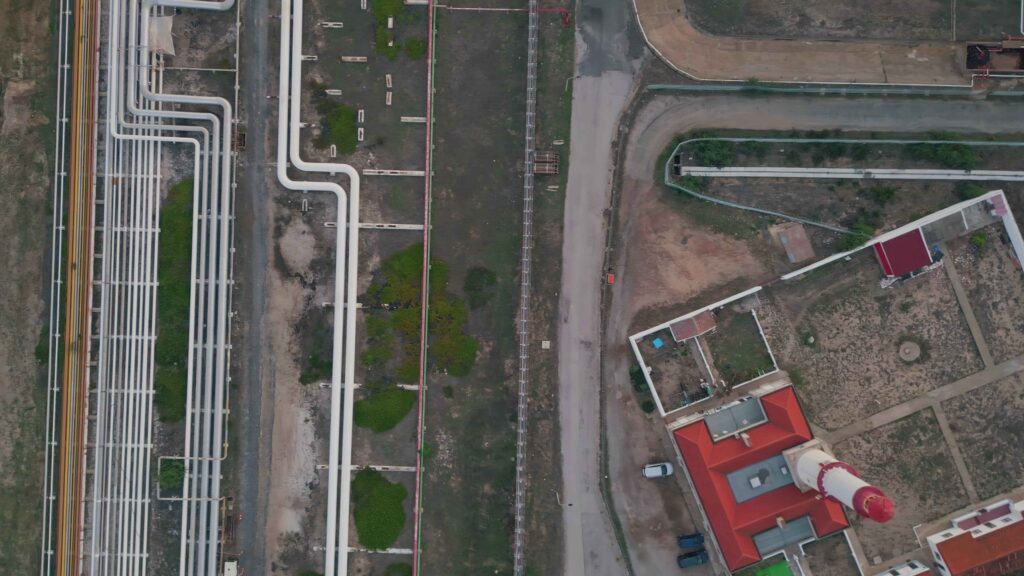
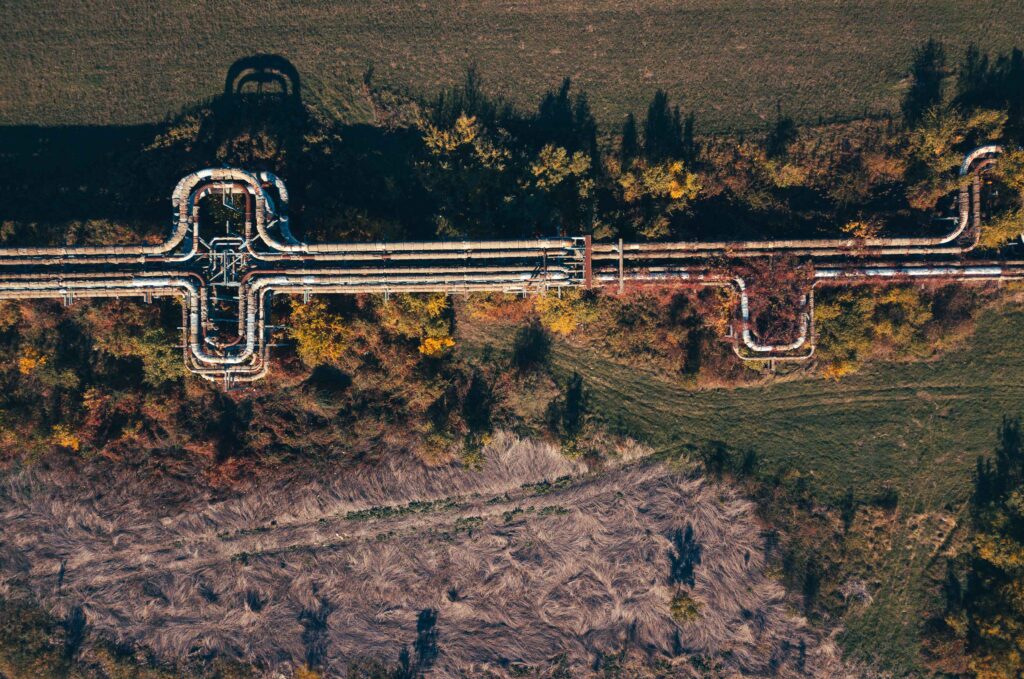
Pixxel’s hyperspectral imagery offers daily revisit frequency, assisting in detecting threats along the Right of Way (RoW) and ensuring the safety and security of pipeline infrastructure.

  • Monitor pipeline-specific parameters: Assess vegetation encroachment, construction activities, and natural hazards with exceptional precision.
  • Detect changes in land cover: Identify potential threats to the pipeline’s structural integrity promptly.
  • Facilitate proactive strategies for remediation: Address environmental impact and mitigate potential risks swiftly.
  • Establish early warning systems: Detect and address threats to pipeline security promptly.
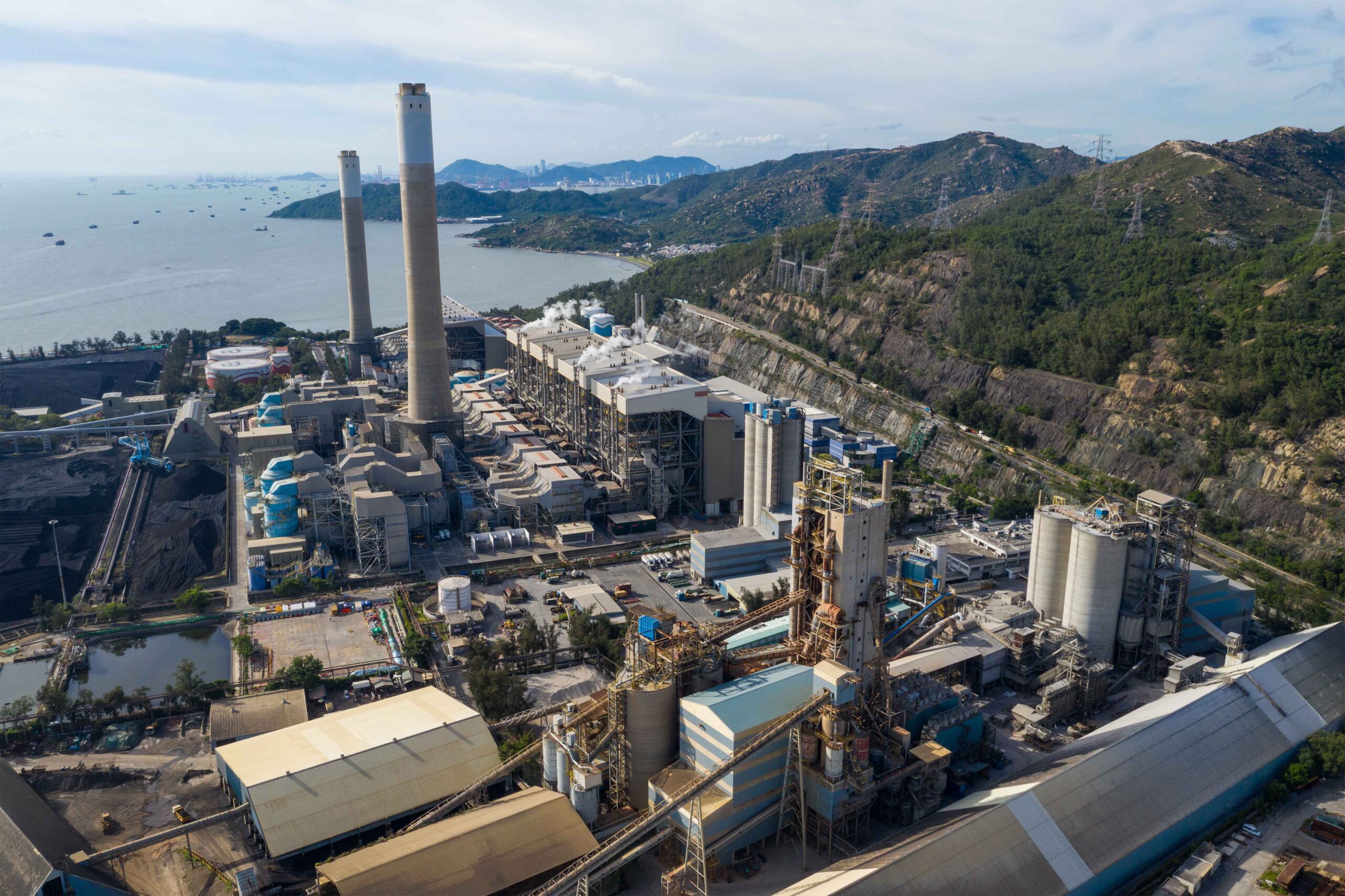
Precise identification of threats and optimised solutions

Pixxel’s imaging satellites excel in capturing information across 250+ spectral bands, offering diverse solutions for various operational stages within the oil and gas industry.

Hyperspectral imagery empowers decision-makers by helping identify valuable resources and assessing feasibility at potential exploration sites. Additionally, it facilitates ongoing monitoring on a large scale, enabling the early detection of threats to the site and the surrounding natural environment.

Hyperspectral imaging delivers exceptional results in vegetative studies with 50X more information, securing the industry’s future success.

This technology enables targeted approaches to implementing environmentally compliant and conscious mechanisms and solving for biodiversity preservation, vegetative health monitoring, and leakage detection.

Pixxel’s hyperspectral imaging technology has 5m spatial resolution, which helps detects threats precisely and supporting data-driven, sustainable practices in the future.

Detailed habitat maps near exploration sites can reduce costs, optimise resource usage, and enhance environmental compliance. By promoting ecosystem regeneration, Pixxel’s technology fosters practices essential for the oil and gas sector.

Pixxel’s hyperspectral imagery offers daily revisit frequency, assisting in detecting threats along the Right of Way (RoW) and ensuring the safety and security of pipeline infrastructure.

  • Monitor pipeline-specific parameters: Assess vegetation encroachment, construction activities, and natural hazards with exceptional precision.
  • Detect changes in land cover: Identify potential threats to the pipeline’s structural integrity promptly.
  • Facilitate proactive strategies for remediation: Address environmental impact and mitigate potential risks swiftly.
  • Establish early warning systems: Detect and address threats to pipeline security promptly.
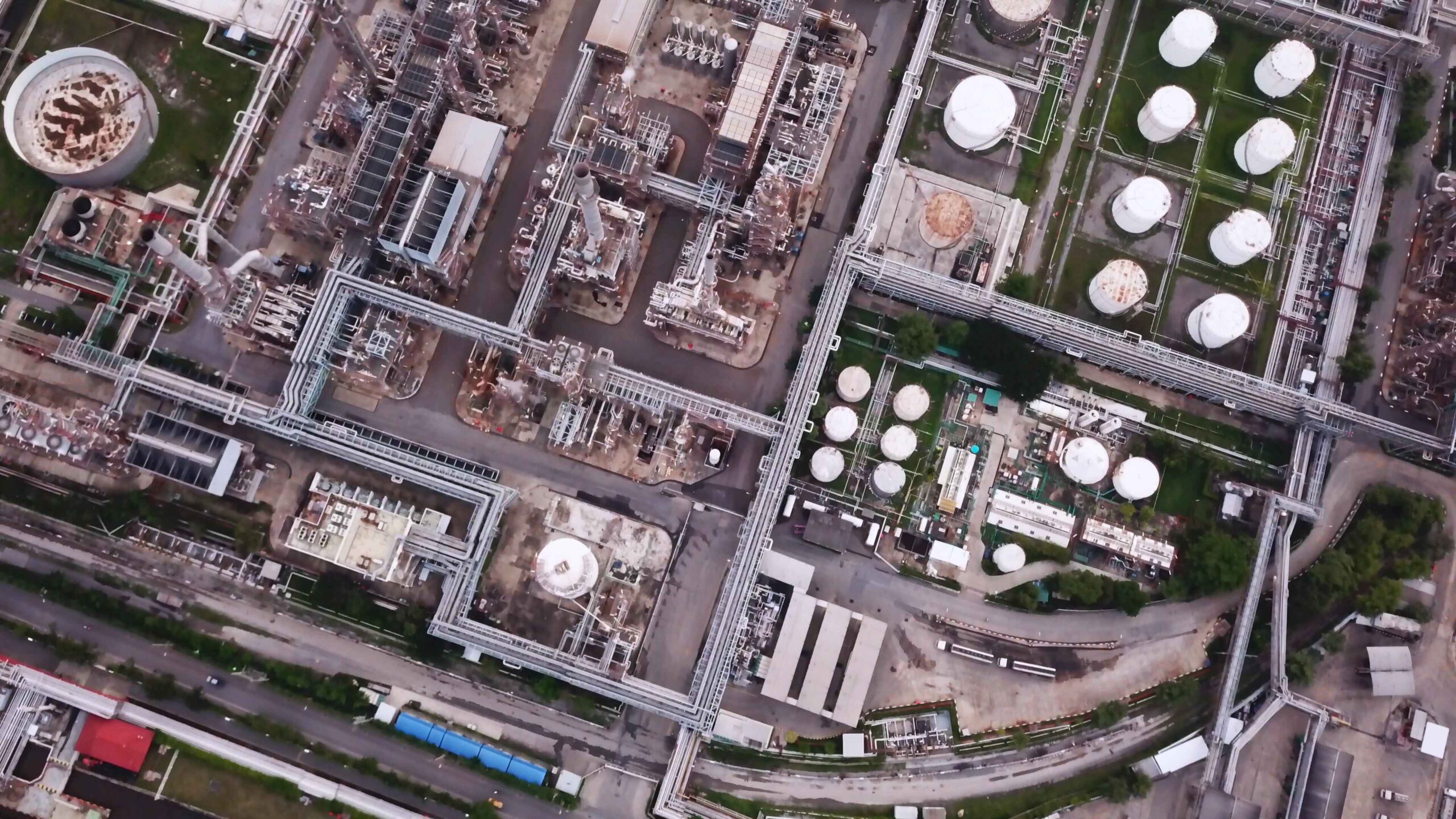
Managing Methane Emissions in

the Energy Sector

Managing Methane Emissions in the Energy Sector

Pixxel’s hyperspectral imagery enables precise detection of methane emissions, a major contributor to greenhouse gases. By analysing unique spectral signatures, Pixxel’s sensors identify and monitor methane leaks from pipelines, like those in Algeria, to help energy companies reduce environmental impact and comply with regulations.

Explores how hyperspectral imagery offers solutions across the energy lifecycle.

ELEVATE YOUR

ENERGY STRATEGY WITH PIXXEL

Learn more about Pixxel’s hyperspectral imaging satellites and their applications for efficient energy exploration. Know how Pixxel’s technology can help ensure a flourishing, ecologically responsible, and resilient future for energy initiatives.

Contact us to learn more and take the first step towards revolutionising your energy approach.

KNOWLEDGE HUB

Discover how Pixxel's Earth Observation technology drives impactful insights.