FORESTRY
ENHANCED FOREST
MANAGEMENT WITH PIXXEL’S
hyperspectral IMAGERY
Discover Pixxel’s analysis-ready hyperspectral imagery for efficient forest mapping, ecosystem monitoring, and habitat assessment.
Daily Global Access
24-hour revisit frequency
anywhere on the planet
High Spectral Resolution
5 metre spatial resolution, 250+
VNIR and SWIR bands
Unprecedented Detail
50X more information than
conventional satellites
WIDER COVERAGE
Maximise coverage with our
40Km swath width
Pixxel’s hyperspectral satellites capture unique spectral information across the globe at impressive spatial and temporal resolutions. This data provides crucial insights regarding habitat health and threats to forests.
With Pixxel, organisations and researchers are empowered to make informed decisions to protect and enhance the vitality of our global forest systems.
ADDRESSING key
FORESTRY CHALLENGES
The forestry industry is grappling with modern demands due to outdated practices and a lack of comprehensive data. These challenges impede
efficiency, sustainability, and resilience, putting forests at considerable risk. Advanced technologies and data-driven solutions are essential for
overcoming these persistent issues.
Forest Fragmentation
and Habitat Loss
Urban expansion and infrastructure development lead to fragmented forests, disrupting wildlife habitats and reducing biodiversity.
Climate
Change Impacts
Rising temperatures and changing precipitation patterns exacerbate the frequency and severity of wildfires, droughts, and storms.
Lack of Community
Engagement
Without involving local communities in forest management, efforts often lack the necessary support and local knowledge to be effective.
Illegal Logging and
Poaching
Insufficient surveillance and enforcement allow illegal logging and poaching to thrive, depleting forest resources and threatening endangered species
Discover THE
hyperspectral ADVANTAGE
Hyperspectral imaging enables precise identification and detailed characterisation of forest materials through narrow ​wavelength bands. This provides unique insights into their biophysical and biochemical properties, surpassing the capabilities of multispectral imaging.
By analysing unique spectral signatures, hyperspectral imaging promotes mapping of forest species, biodiversity and sustainable planning. This technology ​ revolutionises forest management, enhancing conservation efforts.

A line of text shall appear here. A line of text shall appear here.
Localised problem detection and data-driven forest management
Pixxel’s imaging satellites capture information across 250+ spectral bands, providing accurate tree species classification data and promoting the adoption of sustainable forest management practices.
Hyperspectral images of forests help decision-makers identify highly localised in-forest patterns and region-specific trends, ensuring precise problem detection, effective forest planning, and environmentally responsible management. This technology also supports continuous variation tracking to improve operational efficiency throughout the year.
Tree and habitat health monitoring
With a 5-meter spatial resolution, Pixxel’s satellites provide detailed insights into tree variations, biochemical composition, and health.
Hyperspectral data detects nutrient deficiencies, vegetation stress, and soil imbalances, allowing timely interventions to optimise forest health, reduce costs, and allocate resources efficiently. By continuously monitoring these factors and providing detailed insights into tree and soil conditions, foresters can take precise actions to better forest health, support soil regeneration, and maintain long-term sustainability.
Early disease detection and mitigation
Pixxel’s hyperspectral satellites offer daily revisit frequency anywhere on the planet, which is essential for detecting and forecasting tree diseases and pest infestations.
Hyperspectral technology provides timely information on pre-symptomatic disease detection, enabling early intervention to prevent significant threats and minimise forest losses. Access to hyperspectral data allows forest managers to experiment with and monitor tree species against biotic and abiotic stressors, maximising forest health every season.
Advanced forest parameter assessment
Pixxel's hyperspectral technology delivers 50X more information than conventional satellites, offering exceptional accuracy in tree species identification and biomass estimation.
Hyperspectral imaging supports the development of optimal forest management strategies by evaluating key parameters:
- Tree Health: Measures chlorophyll content, photosynthetic activity, and evapotranspiration rates.
- Soil Health: Assesses nutrient content, soil type characteristics, and water content.
- Effluent Monitoring: Detects seepages, including hydrocarbons and nutrient leaching, from neighbouring areas.
- Early Stress Detection: Identifies stress before physical symptoms appear, facilitating timely mitigation to protect forest health.
These capabilities ensure targeted input usage for precise forest management practices, boosting forest productivity and sustainability.
Localised problem detection and data-driven forest management
Pixxel’s imaging satellites capture information across 250+ spectral bands, providing accurate tree species classification data and promoting the adoption of sustainable forest management practices.
Hyperspectral images of forests help decision-makers identify highly localised in-forest patterns and region-specific trends, ensuring precise problem detection, effective forest planning, and environmentally responsible management. This technology also supports continuous variation tracking to improve operational efficiency throughout the year.
Tree and habitat health monitoring
With a 5-meter spatial resolution, Pixxel’s satellites provide detailed insights into tree variations, biochemical composition, and health.
Hyperspectral data detects nutrient deficiencies, vegetation stress, and soil imbalances, allowing timely interventions to optimise forest health, reduce costs, and allocate resources efficiently. By continuously monitoring these factors and providing detailed insights into tree and soil conditions, foresters can take precise actions to better forest health, support soil regeneration, and maintain long-term sustainability.
Early disease detection and mitigation
Pixxel’s hyperspectral satellites offer daily revisit frequency anywhere on the planet, which is essential for detecting and forecasting tree diseases and pest infestations.
Hyperspectral technology provides timely information on pre-symptomatic disease detection, enabling early intervention to prevent significant threats and minimise forest losses. Access to hyperspectral data allows forest managers to experiment with and monitor tree species against biotic and abiotic stressors, maximising forest health every season.
Advanced forest parameter assessment
Pixxel’s hyperspectral technology delivers 50X more information than conventional satellites, offering exceptional accuracy in tree species identification and biomass estimation.
Hyperspectral imaging supports the development of optimal forest management strategies by evaluating key parameters:
- Tree Health:Â Measures chlorophyll content, photosynthetic activity, and evapotranspiration rates.
- Soil Health:Â Assesses nutrient content, soil type characteristics, and water content.
- Effluent Monitoring:Â Detects seepages, including hydrocarbons and nutrient leaching, from neighbouring areas.
- Early Stress Detection:Â Identifies stress before physical symptoms appear, facilitating timely mitigation to protect forest health.
These capabilities ensure targeted input usage for precise forest management practices, boosting forest productivity and sustainability.

Forest health monitoring in
Rocky Mountain National Park
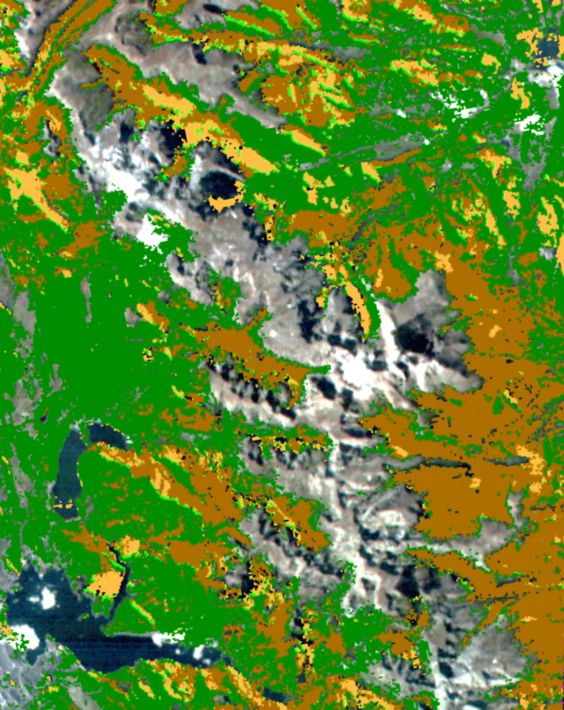
Forest health monitoring in Rocky Mountain National Park
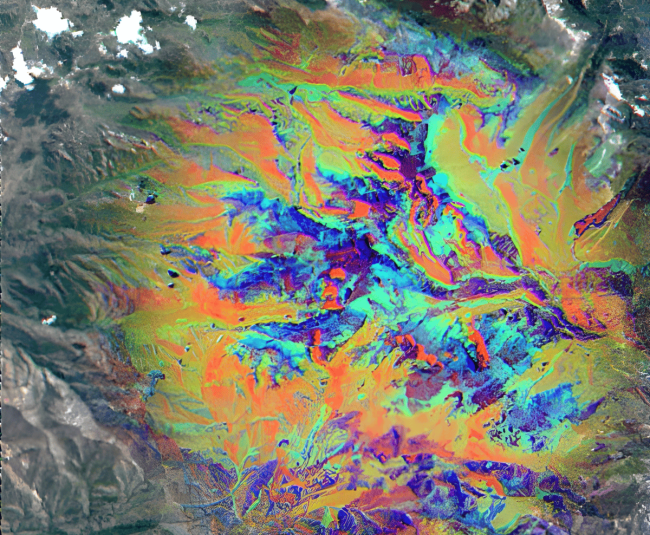
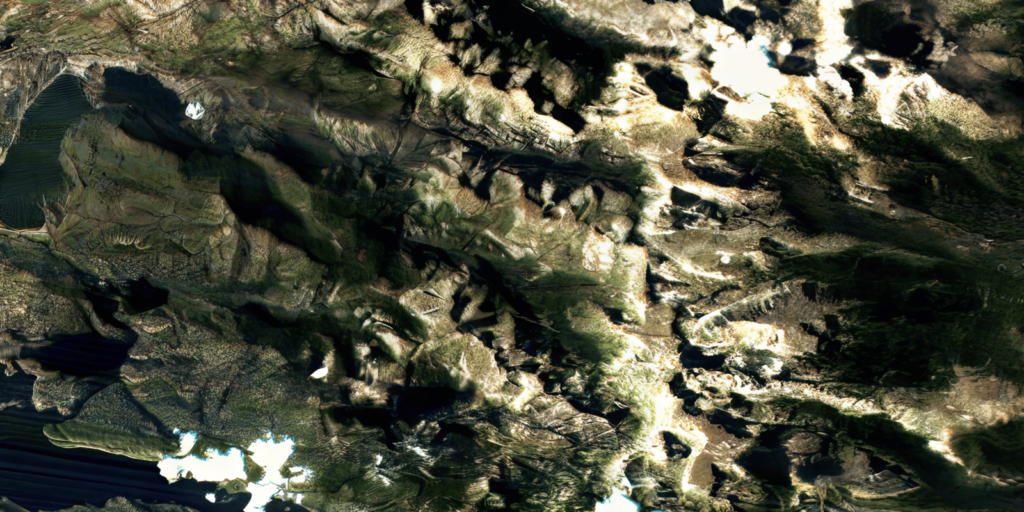
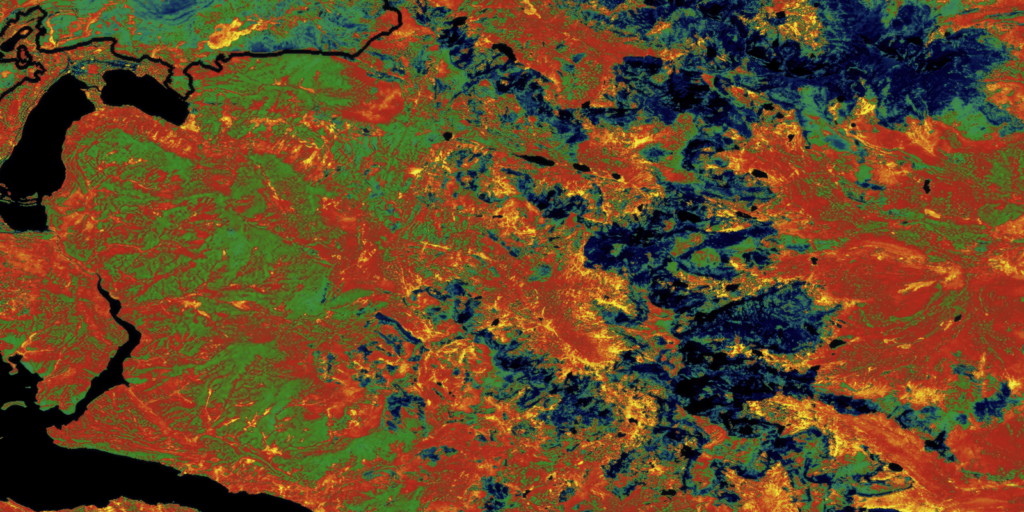
Pixxel’s hyperspectral imagery offers a powerful tool for monitoring forest health in Colorado’s Rocky Mountain National Park, where bark beetle infestations threaten large tracts of forest. With hyperspectral imaging, organisations can identify early signs of tree stress and support sustainable management.
- Detects subtle variations in forest health before visible damage appears
- Precisely maps tree species and tracks beetle infestations
- Enables timely intervention to mitigate the spread of pests
Discover how hyperspectral imaging is protecting forest ecosystems.
DISCOVER THE FUTURE OF
FORESTRY WITH PIXXEL
Explore Pixxel’s hyperspectral imaging satellites and their transformative applications in forestry. Learn how Pixxel’s technology can secure a future of thriving, sustainable, and profitable forest management.
Contact us to learn more and take the first step towards revolutionising your forestry practices.
KNOWLEDGE HUB
Discover how Pixxel's Earth Observation technology drives impactful insights.
Birmingham, United Kingdom, Los Angeles, California, and Bengaluru, India, 12 February 2025:

London, United Kingdom; Los Angeles, California; and Bengaluru, India, 6th February 2025
Delaware, Ohio, Los Angeles, California, and Bengaluru, India – Pixxel, a leading

We're thrilled to share some significant developments that will take our capabilities